
Will Sciatica Go Away?
Sciatica is a common and painful problem in St. Petersburg, [...]
Post Author:
April K. Shook, D.C., DIBE
Categories:
Date Posted:
November 24, 2025
Share This:
Sciatica is a common and painful problem in St. Petersburg, Florida. Many local residents want to know, “Will sciatica go away?” This article explains treatment options, answers common questions, and gives tips for those living with sciatica pain. The information is clear, simple, and helpful for anyone in pain who is thinking about getting sciatica treatment in St. Petersburg, Florida.
How Sciatica Is Treated
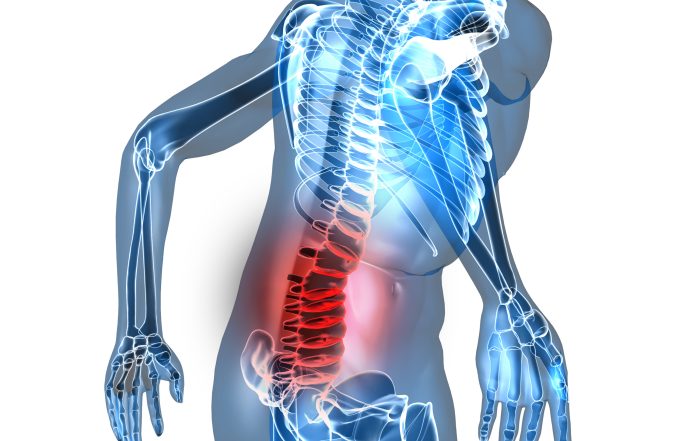
Sciatica starts when something puts pressure on the large nerve running from your lower back, through your hips, and down your leg. Most cases of sciatica get better over time, especially with good care and lifestyle changes. Local clinics in St. Petersburg use gentle treatment plans for people with sciatica.
Common Treatments in St. Petersburg
- Physical therapy is very helpful for sciatica. Therapists teach gentle stretches and exercises, help with posture, and sometimes use hands-on treatments. Working with a physical therapist helps reduce pain and stop future flare-ups.
- Chiropractic care is popular in Tampa Bay and neighborhoods like Crescent Lake, Jungle Terrace, and nearby Gulfport. Local chiropractors adjust the spine using safe, gentle movements. This takes pressure off the sciatic nerve and can help ease pain. They also give advice on sitting, sleeping, and moving to lower your chances of pain returning.
- Medication can give fast but short-term relief. Doctors in St. Petersburg sometimes suggest over-the-counter medication, such as ibuprofen, naproxen, or acetaminophen for the worst pain. For more severe pain, your doctor might recommend prescription medications or steroid injections.
- Hot or cold packs are easy to use at home and help decrease swelling and soothe pain.
- Some people benefit from spinal decompression therapy, which is a gentle stretching of the back to take pressure off the nerves.
- For patients with very stubborn pain, doctors may consider a referral to a pain management clinic. There, they might try more advanced treatments, including regenerative medicine or, in only the most severe cases, surgery.
Neighborhood clinics, like St. Petersburg Spine and Joint Center, are used to helping people who need treatment but want to stay away from strong drugs or surgery.
Can Sciatica Be Cured?
Many people wonder if sciatica will ever fully go away. For some, sciatica clears up within a few weeks or months, especially with good home care and treatment from a physical therapist or chiropractor. For others, it may return from time to time, especially if they go back to unhealthy habits or the cause of their nerve problem is not fixed.
The chance for full recovery depends on what caused your sciatica in the first place. If you have a herniated disc or spinal stenosis, the pain might come and go for years but can often be managed with proper exercise and care. If the problem is tight muscles or piriformis syndrome, fixing your movement habits and stretching can give you lasting relief.
Severe symptoms, including problems with walking, foot weakness, or loss of bladder or bowel control, are rare but require immediate medical help. In these cases, surgery may be needed for a permanent fix.
Many St. Petersburg clinics build custom treatment plans for people based on their activity level, job, and the way pain affects their day. The goal is to lower pain, make daily life easier, and keep you moving. With good care, most people can get their lives back.
Will Sciatica Cause Hip Pain?
Sciatica often causes pain in the hip. The sciatic nerve runs from the lower back, passes through the buttock and around the hip, and then down the back of the leg. When this nerve is squeezed, it sends pain signals to the hip area. The pain can feel sharp or burning. Sometimes, people feel numbness, tingling, or weakness around their hip, too.
If you live in neighborhoods close to beaches, like Treasure Island or Tierra Verde, and spend a lot of time carrying heavy objects or bending, you might notice hip pain from sciatica more often. Activities like gardening or yardwork can trigger pain around the hip joint.
Treating the source of sciatica, such as a herniated disc or nerve pinch, will usually make hip pain better. Gentle stretching, therapy, and improving the way you move help prevent pain in that area.
Can Sciatica Cause Knee Pain?
Sciatica can cause pain in your knee. This happens when the nerve root in your lower spine that leads to the knee is pressed on by a disc or another problem. If the L4 nerve in your back gets squeezed, you might feel aching, sharp pain, or weakness in your knee as well as your lower back and thigh. Sometimes, tight muscles in the back of your thigh (the hamstrings) worsen knee pain by changing the way you walk or stand.
Many patients in St. Petersburg neighborhoods like Euclid St. Paul and Old Northeast feel confused when knee pain is their main symptom, but this is a well-known sign of sciatica. Treatment focuses on finding the real cause. Often, it’s not the knee itself but the sciatic nerve in the low back. Physical therapy and gentle stretching of the back and legs usually help the most.
Can Sciatica Cause Foot Pain?
Foot pain is another common sign of sciatica. The sciatic nerve runs through your leg and splits into smaller nerves that go into your foot. If the nerve root in your back is pinched, you can feel pain, burning, tingling, or even weakness in your foot or toes.
This type of pain may make it hard to walk or balance, especially for people who work on their feet in downtown St. Pete, the Warehouse Arts District, or retail shops in Pinellas Park. You may also feel numbness or a “pins and needles” feeling on the top or bottom of your foot.
Doctors and therapists in St. Petersburg check reflexes and sensation in your foot during office visits, especially if your pain or numbness is getting worse. Treatment that corrects the pressure on the sciatic nerve, such as spinal adjustments or targeted physical therapy, often brings big relief.
How Long Will Sciatica Last? Will It Ever Go Away?
Most people with sciatica recover in a few weeks or months with proper care. Sitting less, gentle movement, therapy, and safe home exercises are key to healing faster. Many people in St. Petersburg, especially in active communities like Snell Isle and Coquina Key, report good results from stretching, strengthening, and learning new movement habits.
But sometimes, sciatica becomes a long-term problem. Pain can come and go, especially if the root cause is not fixed or if you go back to unhealthy routines. Keeping up with therapy, staying active, and working on better posture or movement reduces the chance of sciatica coming back.
If your pain doesn’t improve or keeps coming back, local doctors and therapists can order tests, like MRI or X-rays, to find out why.
How to Get Started on the Road to Recovery
The first step toward feeling better is to schedule a visit with our caring team. A one-on-one consultation gives you the chance to talk about your pain, your daily routine, and your health history. We’ll listen closely and do a careful checkup so we can recommend the best options for your needs. Not everyone with sciatica will need the same kind of treatment, so meeting with our specialists helps us make a plan just for you.
If you notice pain in your leg, hip, knee, or foot, or spot any warning signs like numbness or weakness, reaching out for help early can make all the difference. You don’t have to let sciatica control your life. With the right support and some changes in how you move or go about your daily activities, you can feel stronger and get back to the things you enjoy most. Sciatica can be a tough challenge, but most people who learn about their options and follow a good plan will find real relief and a better quality of life.