Enhancing Post-Surgical Healing with Class 4 Laser Therapy
Recovering from surgery can be a daunting process, often marked [...]
Recovering from surgery can be a daunting process, often marked by discomfort, swelling, and the challenge of regaining full function in the affected area. While traditional post-surgical protocols such as rest, physical therapy, and medication remain essential, innovative approaches like Class 4 laser therapy are gaining attention for their ability to accelerate healing and improve outcomes.
What is Class 4 Laser Therapy?
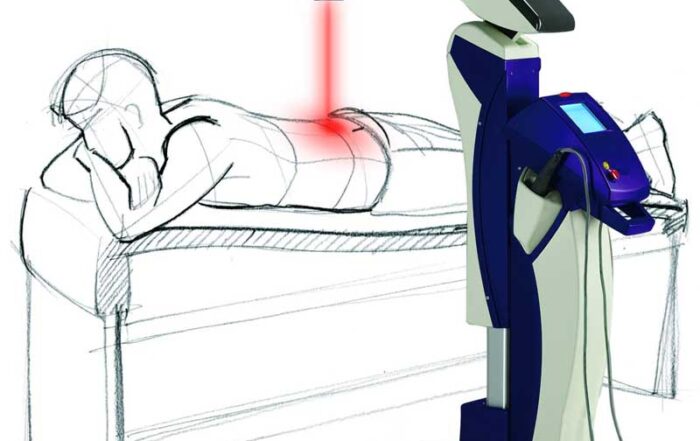
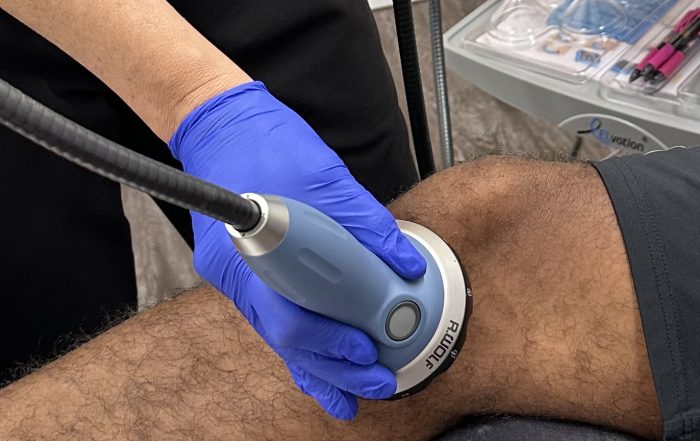
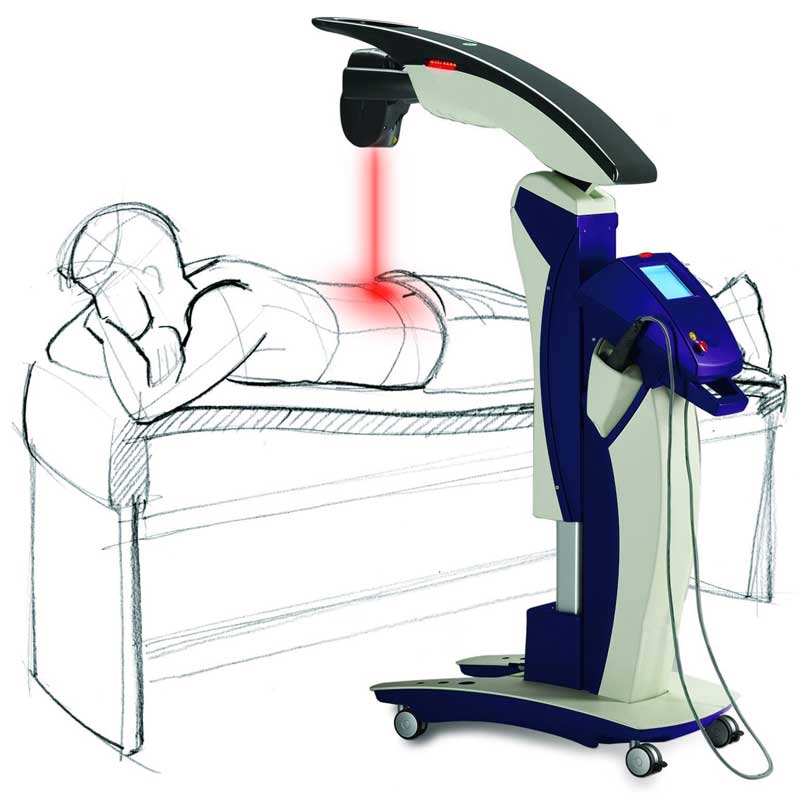
Class 4 laser therapy, also known as high-power laser therapy, utilizes light energy to penetrate deep into tissues. Unlike Class 3 lasers, which are lower-powered and used primarily for superficial treatments, Class 4 lasers deliver greater energy output, making them highly effective for treating musculoskeletal conditions, inflammation, and tissue damage.
By stimulating cellular activity, these lasers promote faster regeneration and repair of tissues, offering a non-invasive and drug-free solution to post-surgical recovery.
The Science Behind Class 4 Laser Therapy
Class 4 lasers operate on the principle of photobiomodulation. When laser light interacts with the cells, it triggers a cascade of biological processes:
- Increased ATP Production: The mitochondria absorb the light, boosting the production of adenosine triphosphate (ATP), which provides energy for cellular repair and regeneration.
- Enhanced Blood Flow: Laser therapy improves microcirculation, facilitating the delivery of oxygen and nutrients while removing waste products from the surgical site.
- Reduction in Inflammation: The laser light modulates inflammatory responses, decreasing swelling and pain.
- Stimulation of Collagen Production: Collagen is essential for wound healing, and laser therapy encourages its synthesis, promoting tissue strength and elasticity.
Benefits of Class 4 Laser Therapy in Post-Surgical Healing
- Accelerated Recovery: By promoting tissue repair at the cellular level, Class 4 lasers help speed up the healing process.
- Pain Relief: Laser therapy stimulates the release of endorphins and inhibits pain pathways, providing natural relief without the side effects of medication.
- Reduced Swelling: The anti-inflammatory effects of the therapy minimize post-surgical swelling and discomfort.
- Improved Range of Motion: Enhanced tissue repair and reduced inflammation contribute to faster restoration of mobility and function.
- Minimized Scar Tissue Formation: By optimizing collagen production and tissue remodeling, laser therapy helps prevent excessive scar formation.
Applications of Class 4 Laser Therapy
Class 4 laser therapy is versatile and can be used for a variety of surgical recoveries, including:
- Orthopedic surgeries, such as joint replacements and ligament repairs.
- Soft tissue surgeries, including tendon repairs and rotator cuff surgeries.
- Plastic and reconstructive surgeries.
- Dental surgeries, such as extractions and periodontal procedures.
What to Expect During Treatment
Laser therapy sessions are typically quick, lasting 10 to 20 minutes depending on the surgical site. The procedure is painless, with patients often describing a warm sensation at the treatment site. A series of sessions may be recommended to achieve optimal results, tailored to the patient’s specific needs and recovery timeline.
Is Class 4 Laser Therapy Right for You?
While Class 4 laser therapy is generally safe and well-tolerated, it’s essential to consult with your healthcare provider to determine its suitability for your condition. Factors such as the type of surgery, individual health status, and the presence of any contraindications will guide the decision.
Conclusion
Class 4 laser therapy represents a cutting-edge approach to enhancing post-surgical recovery. By harnessing the power of light, this technology offers a safe, effective, and non-invasive means of accelerating healing, reducing pain, and improving overall outcomes. If you’re navigating the road to recovery, consider exploring this innovative therapy as part of your post-surgical care plan.