

5 Signs You May Have a Herniated Disc
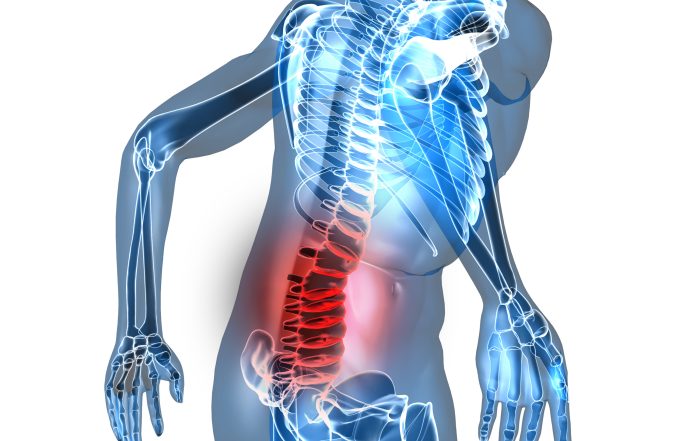
Here are 5 common signs associated with disc herniation: Localized [...]
Here are 5 common signs associated with disc herniation:
-
- Localized Back Pain:
- Disc herniation often presents with localized back pain, typically in the lumbar (lower back) region. The pain may vary from a dull, persistent ache to sharp and stabbing sensations.
- Factors such as prolonged sitting, bending forward, or lifting heavy objects can exacerbate the pain. It’s important to note the quality, intensity, and any triggering factors associated with the pain.
- Radiating Pain (Sciatica):
- A common and distinctive symptom of disc herniation is sciatica, which occurs when the herniated disc compresses or irritates the sciatic nerve.
- Sciatic pain typically radiates down one leg, often extending from the buttock to the back of the thigh and even reaching the calf or foot. The pain may be described as shooting, burning, or tingling.
- Certain activities, such as coughing, sneezing, or sitting for extended periods, may exacerbate sciatic pain.
- Muscle Weakness and Numbness:
- Pressure on the nerves stemming from the spinal cord can result in muscle weakness in the affected area. This weakness may make it challenging to perform tasks that involve lifting or holding objects.
- Numbness or tingling sensations may accompany the weakness and can be felt along the path of the affected nerve. For example, a herniation in the lower back may cause numbness in the buttocks, thigh, or leg.
- Reflex changes may occur, and a healthcare professional may assess reflex responses to determine the extent of nerve involvement.
- Bowel or Bladder Dysfunction (in severe cases):
- In rare and severe cases where there is substantial compression of nerves in the lower spinal cord, individuals may experience bowel or bladder dysfunction.
- Symptoms may include difficulty controlling bowel movements or urination. This is considered a medical emergency, and immediate attention is crucial to prevent complications.
- Sensory Changes:
- Disc herniation can lead to altered sensory perception, such as hypersensitivity or changes in temperature sensation in the affected area.
- Patients may report sensations like a “pins and needles” feeling or a sense of heaviness in the affected limb.
It’s essential to emphasize that individual experiences with disc herniation can vary, and not everyone will exhibit the same symptoms. Moreover, a healthcare professional should evaluate any suspected disc herniation. They may employ diagnostic tools like MRI or CT scans to confirm the diagnosis and recommend an appropriate treatment plan, which may include spinal decompression therapy, physical therapy, and, in severe cases, surgical intervention. Early detection and intervention can contribute to better outcomes and symptom management.
- Localized Back Pain:
Table Of Contents
Get the latest news & updates
subscribe to our newsletter
recent posts
Enhancing Post-Surgical Healing with Class 4 Laser Therapy
April K. Shook, D.C., DIBE2025-01-03T10:28:56-05:00January 3, 2025|Blog|
Treating a Torn Meniscus Non-Surgically with Shock Wave Therapy
April K. Shook, D.C., DIBE2024-07-18T14:17:54-04:00July 18, 2024|Blog|
5 Signs You May Have a Herniated Disc
April K. Shook, D.C., DIBE2024-01-13T12:42:57-05:00January 13, 2024|Blog|


