
Treating a Torn Meniscus Non-Surgically with Shock Wave Therapy
Understanding Shockwave Therapy Technology and Application: Shockwave therapy involves the [...]
Understanding Shockwave Therapy
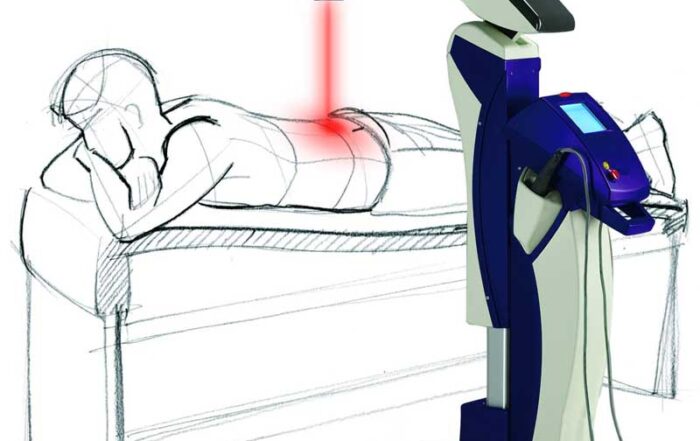
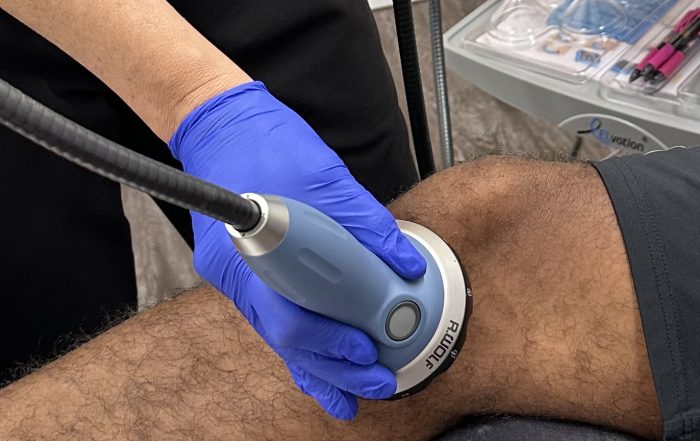
- Technology and Application: Shockwave therapy involves the use of acoustic waves delivered to the injured tissue. These waves are high-energy and are applied externally to the affected area using a specialized device.
- Mechanism of Action: The shockwaves create microtrauma within the tissue, which stimulates an inflammatory response. This process is believed to enhance blood circulation, promote tissue regeneration, and potentially alleviate pain.
- Types of Shockwave Therapy: There are two main types:
- Focused Shockwave Therapy: Targets a specific area with higher intensity shockwaves. It’s often used for deep tissue injuries.
- Radial Shockwave Therapy: Utilizes lower intensity shockwaves spread over a broader area. It’s commonly used for superficial orthopedic conditions.
Effectiveness for Torn Meniscus
- Clinical Studies: Research on shockwave therapy for meniscal tears has shown varying results:
- Some studies suggest that shockwave therapy can reduce pain and improve knee function in patients with chronic meniscal tears, especially in older adults with degenerative changes.
- However, the effectiveness may depend on factors such as tear location (peripheral vs. central), tear size, and patient age.
- Comparison with Surgery: Shockwave therapy is considered a non-invasive alternative to surgical options like arthroscopy. It may be recommended when surgery poses higher risks or when conservative treatments have not been effective.
- Treatment Protocol: Typically, shockwave therapy involves multiple sessions (usually 6-12) spaced over several weeks. Each session lasts about 15-20 minutes, and the treatment is usually performed on an outpatient basis.
Considerations and Recommendations
- Patient Selection: Not all meniscal tears are suitable for shockwave therapy. Your doctor will assess factors such as tear severity, location, and your overall health to determine if you are a candidate.
- Combination Therapy: Sometimes shockwave therapy is combined with other treatments like physical therapy, anti-inflammatory medications, or corticosteroid injections to optimize outcomes.
- Potential Side Effects: While shockwave therapy is generally considered safe, potential side effects may include temporary discomfort during treatment, mild bruising or swelling at the application site, and in rare cases, skin redness or numbness.
- Outcome Expectations: Results can vary from person to person. Some patients experience significant pain relief and improved function, while others may not respond as well. It’s essential to have realistic expectations and discuss potential outcomes with your healthcare provider.
Conclusion
Shockwave therapy holds promise as a non-invasive treatment option for certain types of meniscal tears, particularly in cases where surgery is not immediately necessary or desired. However, its effectiveness can vary, and it’s crucial to consult with a qualified orthopedic specialist to determine if it’s appropriate for your specific condition. By understanding the potential benefits and limitations of shockwave therapy, you and your doctor can make an informed decision about the best course of treatment for your torn meniscus.