
Non-Surgical Spinal Decompression
What are the best conditions treated by decompression? Disc Bulge/Herniation [...]
What are the best conditions treated by decompression?
- Disc Bulge/Herniation
- Degenerative Disc/Joint Disease
- Facet Arthropathy
- Radiculopathy
- Sciatica
- Post-Laminectomy Syndrome
What is Spinal Decompression
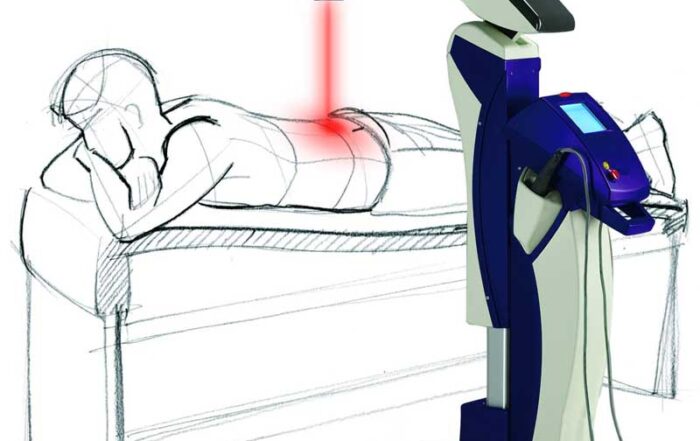
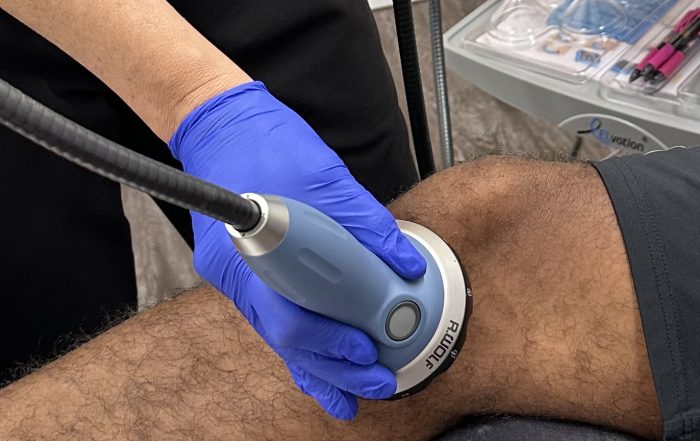
Non-Surgical Spinal Decompression is used by chiropractors, physical therapists and other healthcare professionals to treat conditions involving the cervical and lumbar spine. It is oftentimes associated with spinal traction, although these two treatments are not exactly the same thing. Traction provides generalized stretching to the spine that does not stop, and can sometimes cause pain to patients. Decompression tables are equipped with computerized controls, sensors and mechanisms that measure the resistance in the body during a treatment and release when indicated. This helps to prevent muscle guarding that can actually exacerbate spine pain, instead of relieving it.
How Spinal Decompression Effects the Spine
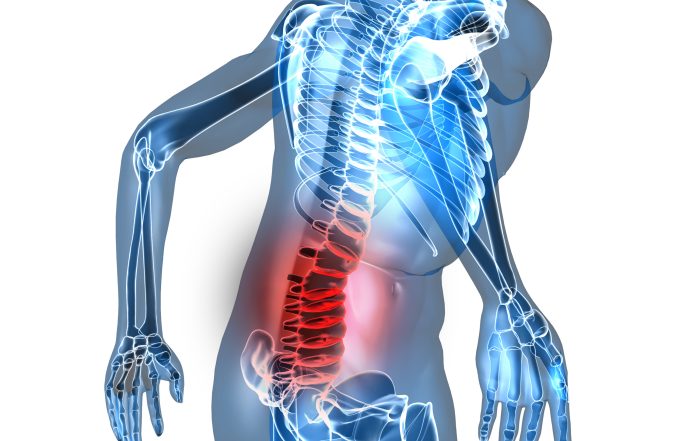
During a treatment the patient is positioned so that a specific level in the spine is targeted. This deliberate and gentle expansion decompresses the spine by creating a negative pressure within the disc. This negative pressure helps to draw ruptured or herniated disc material back inside the disc space, as well as fluids and nutrients which promote accelerated healing. This disc material is oftentimes in contact with a nerve which leads to radiating pain into the patient’s limbs. When the disc material is no longer in contact with the nerve following decompression, radicular symptoms like sciatica, are resolved.
Treatment Protocol
Once a patient is deemed a decompression candidate, the physician tailors the treatment protocol to minimize discomfort to the patient. The targeted area of the treatment, force and duration are all modifiable to each individual. Each of these factors can be changed to provide optimum outcomes for each patient.
Depending on the severity of the patient’s condition and how long the patient has been experiencing symptoms, treatment times can vary from 2-4x/week over the course of 2-3 months. Patients must keep in mind that the damage to the spine did not occur over night, so it takes time to make these significant changes to the spine in order to avoid surgical intervention and resume a pain free life!