
Non Surgical Knee Pain Relief Using Shock Wave Therapy: A Modern Approach
Introduction Knee pain is a common ailment that can significantly [...]
Introduction
Knee pain is a common ailment that can significantly impact one’s quality of life, limiting mobility and hindering daily activities. While there are various treatments available, shock wave therapy has emerged as a modern and promising approach for managing knee pain. This non-invasive procedure utilizes focused shock waves to stimulate the body’s natural healing processes and provide relief. In this blog post, we will delve into the concept of shock wave therapy for knee pain, how it works, its benefits, and its potential as an effective treatment option.
Understanding Shock Wave Therapy
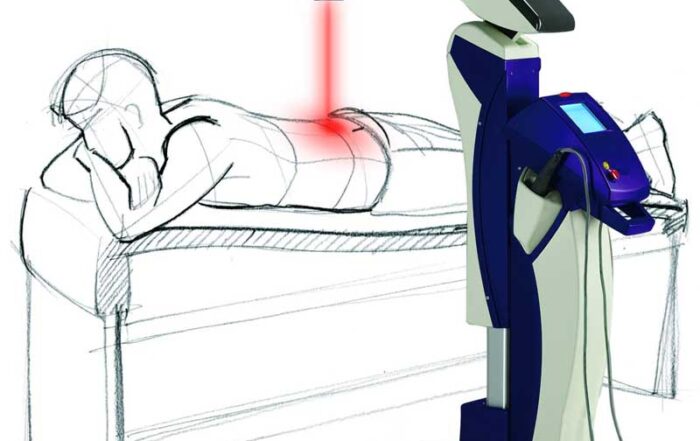
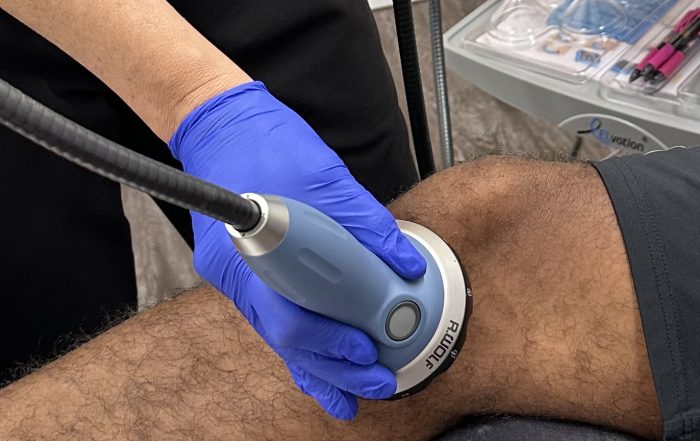
Shock wave therapy, also known as extracorporeal shock wave therapy (ESWT), involves the application of high-energy shock waves to the affected area. These shock waves are generated externally and precisely focused on the target tissue, such as the knee joint. The primary goal of shock wave therapy is to promote healing, reduce pain, and improve functionality without the need for invasive procedures like surgery.
How Shock Wave Therapy Works for Knee Pain
The mechanics behind shock wave therapy are intriguing. When shock waves are applied to the knee, they trigger microtrauma within the tissues. This controlled microtrauma stimulates the body’s natural healing response, increasing blood flow, cell regeneration, and the release of healing factors. Additionally, shock waves are thought to disrupt pain signals, leading to reduced pain perception in the treated area.
Benefits of Shock Wave Therapy
- Non-Invasive: Shock wave therapy is non-surgical and non-invasive, eliminating the risks and potential complications associated with surgery.
- Reduced Pain: One of the primary benefits is pain reduction. Many patients experience immediate relief, while the cumulative effects of treatment can lead to longer-lasting pain management.
- Faster Recovery: Compared to traditional surgical interventions, shock wave therapy generally requires minimal downtime. Patients can often resume their daily activities shortly after treatment.
- Enhanced Healing: The therapy stimulates the body’s natural healing mechanisms, promoting tissue regeneration and repair.
- No Anesthesia: Shock wave therapy is typically performed without anesthesia, reducing the potential side effects associated with anesthesia administration.
- Customized Treatment: Treatment parameters can be adjusted based on the individual’s condition and response, allowing for a tailored approach.
Conditions Treated with Shock Wave Therapy for Knee Pain
Shock wave therapy can be effective in treating various knee conditions, including:
- Patellar Tendinitis: Also known as jumper’s knee, this condition involves inflammation of the patellar tendon. Shock wave therapy can stimulate healing and reduce pain in this area.
- Osteoarthritis: Shock wave therapy might help manage pain and improve joint function in patients with knee osteoarthritis by promoting cartilage repair and reducing inflammation.
- IT Band Syndrome: Shock wave therapy can aid in alleviating pain and inflammation associated with iliotibial band syndrome, a common cause of lateral knee pain.
Conclusion
Shock wave therapy presents a modern and promising approach to managing knee pain, offering a non-invasive alternative to surgery and pharmaceuticals. By harnessing the body’s natural healing processes, shock wave therapy can provide relief, improve functionality, and enhance the overall quality of life for individuals suffering from knee pain. However, it’s essential to consult with a medical professional to determine if shock wave therapy is suitable for your specific condition. As medical technology continues to advance, shock wave therapy holds the potential to revolutionize the way we approach knee pain treatment.