
Exploring Shock Wave Therapy as a Treatment Option for Plantar Fasciitis
Introduction: Plantar fasciitis is a common foot condition that can [...]
Introduction: Plantar fasciitis is a common foot condition that can cause significant discomfort and impact daily activities. While various treatment approaches exist, one emerging option is Shock Wave Therapy (ESWT). This non-invasive technique has shown promise in alleviating the symptoms of plantar fasciitis and promoting faster healing. In this blog post, we’ll delve into the details of Shock Wave Therapy and its potential benefits for individuals dealing with plantar fasciitis.
Understanding Plantar Fasciitis: Before we delve into Shock Wave Therapy, let’s briefly review what plantar fasciitis is. It occurs when the plantar fascia, a thick band of tissue connecting the heel bone to the toes, becomes inflamed or irritated. This can result in intense heel pain, especially during the first steps taken in the morning or after prolonged periods of rest.
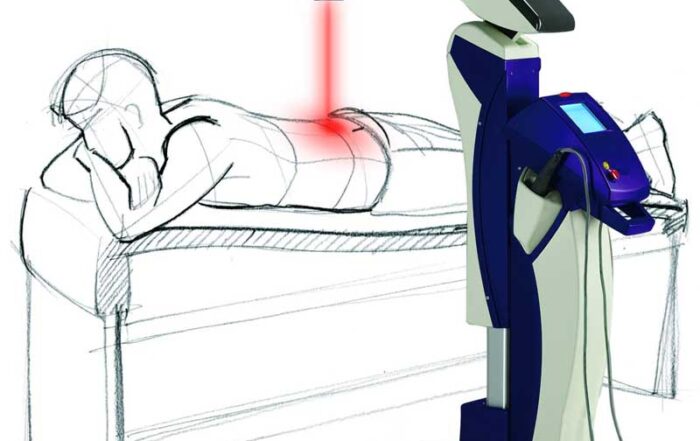
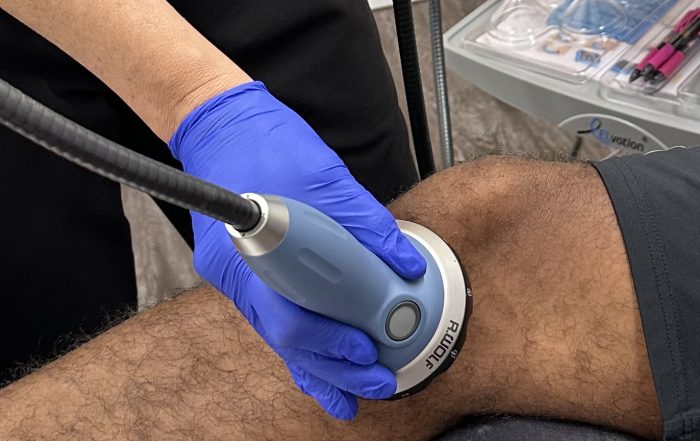
What is Shock Wave Therapy (ESWT)? Shock Wave Therapy is a medical procedure that utilizes high-energy shock waves to stimulate the healing process in affected tissues. These shock waves are generated by a specialized machine and are directed towards the precise area of discomfort. The therapy aims to promote blood flow, tissue regeneration, and the release of growth factors that aid in healing.
How Shock Wave Therapy Helps Plantar Fasciitis:
- Stimulating Blood Flow: ESWT promotes increased blood circulation to the affected area. This improved blood flow brings essential nutrients and oxygen to the damaged tissue, aiding in the repair process.
- Reducing Inflammation: The shock waves have an anti-inflammatory effect, which can help decrease the swelling and discomfort associated with plantar fasciitis.
- Stimulating Tissue Regeneration: ESWT triggers the body’s natural healing response, encouraging the regeneration of damaged tissue in the plantar fascia.
- Pain Relief: By addressing the root causes of plantar fasciitis, ESWT can provide long-lasting pain relief, enabling individuals to resume their daily activities more comfortably.
The ESWT Procedure: During an ESWT session for plantar fasciitis, a healthcare professional will apply the shock waves to the affected area. The procedure is generally non-invasive and performed on an outpatient basis. While some discomfort might be experienced during the treatment, it’s usually tolerable and well-managed.
Is ESWT Right for You? Not everyone with plantar fasciitis is a suitable candidate for ESWT. It’s important to consult a medical professional, such as a podiatrist or orthopedic specialist, before pursuing this treatment. They will assess your individual condition, medical history, and consider other treatment options to determine if ESWT is appropriate for you.
Conclusion: Shock Wave Therapy offers a promising avenue for individuals seeking relief from the persistent pain of plantar fasciitis. By harnessing the body’s natural healing mechanisms, ESWT can accelerate recovery and restore comfort. If you’re struggling with plantar fasciitis, consider consulting a healthcare professional to explore whether Shock Wave Therapy could be an effective treatment option for you. Remember, personalized medical guidance is essential in making the best decision for your health and well-being.