
When Your Knee Hurts to Bend: Understanding Knee Pain and Finding Relief in St. Petersburg
If your knee hurts when you bend it, you’re not [...]
Post Author:
April K. Shook, D.C., DIBE
Categories:
Date Posted:
January 14, 2026
Share This:
If your knee hurts when you bend it, you’re not alone. Thousands of people in St. Petersburg deal with knee pain every day. Maybe you feel it when you walk up the stairs at your home in Shore Acres. Or perhaps the pain hits when you get out of your car near Pinellas Park. Knee pain that happens when you bend your knee can make simple tasks feel hard.
This article will help you understand what causes knee pain, especially when your knee hurts to bend. You’ll learn about different types of knee pain and what you can do to feel better. We’ll also talk about when you should see a doctor here in St. Petersburg.
What Causes Knee Pain in Females
Women can sometimes get knee pain more often than men. There are a few reasons why this happens.
Hormones Play a Role
Your body makes a hormone called estrogen. Women make more estrogen than men. Estrogen affects your ligaments – the strong bands that hold your knee bones together.
When estrogen levels are high, your ligaments can become more flexible. This sounds good, but it can also make your ligaments weaker and easier to injure. Some research shows that estrogen can weaken the connective tissue in your knees.
Women going through menopause often get more knee pain. When menopause happens, estrogen levels drop. This can cause more inflammation in your joints and make your knee cartilage break down faster.
Muscle Differences Matter
Some believe that women often have stronger thigh muscles (quadriceps) than hamstring muscles. The hamstrings are the muscles in the back of your thigh. When these two muscle groups are unbalanced, it can pull your kneecap out of place. This causes pain when you bend your knee. However, these claims have not been proven.
Women also tend to have less muscle around their knees than men. These muscles help keep your knee stable. Without enough muscle support, your knee is more likely to get injured.
Common Problems Women Face
Women are two to eight times more likely to tear their ACL. The ACL is a ligament inside your knee that keeps it stable. Women also get a condition called patellofemoral pain syndrome more often. This causes pain behind or around your kneecap, especially when you bend your knee.
Knee Pain When Bent
When your knee hurts to bend, it usually means something inside your knee is irritated or damaged. The pain can feel different depending on what’s causing it.
What Happens When You Bend Your Knee
Your knee is a complex joint. When you bend it, several parts move and rub against each other. Your kneecap slides over cartilage. Your ligaments stretch. Your tendons pull on bones. If any of these parts are damaged or inflamed, you’ll feel pain when you bend.
Main Causes of Pain When Bending
- Osteoarthritis is the most common cause. This happens when the cartilage in your knee wears down over time. The cartilage is like a cushion between your bones. Without it, your bones rub together. This causes pain, especially when you bend or put weight on your knee.
- Meniscus tears are another common cause. Your meniscus is a piece of cartilage shaped like a C. It sits between your thigh bone and shin bone. When it tears, you might feel sharp pain when you bend your knee. You might also hear a popping or clicking sound.
- Bursitis happens when small fluid-filled sacs in your knee get inflamed. These sacs help your knee move smoothly. When they swell up, bending your knee becomes painful.
- Tendonitis is when the tendons around your knee get inflamed. Tendons connect your muscles to your bones. If you do the same movements over and over, like running or climbing stairs, your tendons can get irritated.
- Ligament injuries can make it hurt to bend your knee. The ACL and other ligaments can get stretched or torn during sports or accidents. This causes sharp pain and makes your knee feel unstable.
Where the Pain Happens
If your knee hurts above your kneecap when you bend, you might have quadriceps tendonitis or knee bursitis. Pain behind your knee could be from a Baker’s cyst or hamstring tendonitis. Sharp pain when bending often means a torn ligament or meniscus.
Knee Pain Behind Knee
Pain behind your knee is called posterior knee pain. This type of pain has different causes than pain in the front of your knee.
What Causes Pain Behind the Knee
- Baker’s cyst is one of the most common reasons. A Baker’s cyst is a fluid-filled sac that forms behind your knee. It happens when extra fluid from inside your knee joint builds up. The cyst can feel like a water balloon behind your knee. It causes tightness and pain, especially when you bend your knee.
- Hamstring problems can cause pain behind the knee. Your hamstring muscles run down the back of your thigh and connect near your knee. If these muscles or their tendons get injured or inflamed, you’ll feel pain behind your knee when you bend it or stretch.
- Meniscus tears can also cause pain behind the knee. Even though the meniscus is inside your knee, tears can cause pain that you feel in the back.
- Posterior cruciate ligament injury happens less often than ACL injuries. The PCL is a ligament that runs through the back of your knee. It can get injured from a hard hit to the front of your knee, like hitting your knee on the dashboard in a car accident.
- Deep vein thrombosis is a serious condition. It’s a blood clot in a vein behind your knee. If you have pain behind your knee along with redness, warmth, and swelling, go to the emergency room right away.
- Other causes like arthritis can cause pain anywhere in your knee, including behind it. Overuse injuries from activities like running or cycling can also make the back of your knee hurt.
Knee Pain When Running
Running puts a lot of stress on your knees. Each time your foot hits the ground, your knee absorbs the impact. Over time, this can lead to several types of pain.
Runner’s Knee
Runner’s knee, also called patellofemoral pain syndrome, causes pain around or behind your kneecap. The pain usually gets worse when you run, climb stairs, or sit for a long time. Women get runner’s knee twice as often as men.
Runner’s knee happens when your kneecap doesn’t move correctly over your thigh bone. This can be caused by weak thigh muscles, tight hamstrings, or poor running form.
IT Band Syndrome
IT band syndrome causes sharp pain on the outside of your knee. The IT band is a thick piece of tissue that runs from your hip down to your knee. When it gets tight, it rubs against the bone on the outside of your knee. This rubbing causes inflammation and pain.
You’ll usually feel IT band pain about five to seven minutes into your run. The pain might go away after you stop running, but it comes back the next time you run.
Patellar Tendonitis
Patellar tendonitis is also called jumper’s knee. It causes pain just below your kneecap. This happens when the tendon that connects your kneecap to your shin bone gets inflamed from overuse.
What Causes Running Knee Pain
Several things can lead to knee pain when you run:
- Running too much without enough rest
- Increasing your running distance too fast
- Poor running form
- Weak hip and thigh muscles
- Old or worn-out running shoes
- Running on hard surfaces or hills
What Helps Knee Pain
There are many things you can do to help your knee pain feel better. Some you can do at home, and others require a doctor’s help.
RICE Method
The RICE method is one of the best first steps for knee pain. RICE stands for Rest, Ice, Compression, and Elevation.
- Rest means you stop doing activities that hurt your knee. This gives your knee time to heal. You don’t have to stay in bed all day, but avoid running, jumping, or other activities that make the pain worse.
- Ice helps reduce swelling and pain. Put an ice pack on your knee for 15 to 20 minutes at a time. You can do this several times a day. Always put a towel between the ice and your skin.
- Compression means wrapping your knee with an elastic bandage. This helps control swelling. Don’t wrap it too tight or it will cut off blood flow.
- Elevation means keeping your knee raised above your heart. This helps fluid drain away from your knee and reduces swelling. Try propping your leg up on pillows when you sit or lie down.
Home Remedies
- Heat therapy can help if your knee pain is from stiffness or arthritis. A warm compress or heating pad relaxes tight muscles and improves blood flow. Use heat after the first few days of an injury, not right away.
- Massage can relieve tension around your knee. Gently rub the muscles around your knee using olive oil or coconut oil. This improves blood flow and can reduce pain.
- Epsom salt baths may help. According to Dr. Naoki Umeda of Cleveland Clinic, while Epsom salt contains magnesium and is commonly used in baths for muscle relaxation, there is no definitive evidence that magnesium is absorbed through the skin in amounts that would benefit your muscles. Nevertheless, many people enjoy adding a cup of Epsom salt to warm bath water and soaking their knees for comfort.
- Natural remedies like turmeric and ginger have anti-inflammatory properties. You can add them to food or take them as supplements. Always talk to your doctor before trying supplements.
Exercises and Stretching
Gentle exercises can strengthen the muscles around your knee. Strong muscles support your knee and reduce pain.
- Straight leg raises help strengthen your quadriceps. Lie on your back with one leg bent and one leg straight. Lift the straight leg up about 6 inches and hold for 5 seconds.
- Hamstring curls strengthen the back of your thigh. Stand and slowly bend one knee, bringing your heel toward your buttock.
- Heel and calf stretches help with knee flexibility. Stand facing a wall, put your hands on it, and step one foot back. Lean forward gently to feel a stretch in your calf.
When Home Treatment Isn’t Enough
If your knee pain doesn’t get better after a few days of home treatment, you might need more help. Your doctor might recommend:
- Physical therapy to strengthen muscles and improve movement
- Over-the-counter pain medicine like ibuprofen
- A knee brace for support
- Injections to reduce inflammation
- Surgery in severe cases
How Long Can Knee Pain Last
The time it takes for knee pain to heal depends on what’s causing it.
Acute Knee Pain
Acute knee pain is sudden and usually comes from an injury. This type of pain is sharp but often goes away within a few days to a few weeks.
- Minor sprains and strains usually heal in 1 to 3 weeks. With rest, ice, and gentle movement, most people feel better quickly.
- Moderate injuries like partial ligament tears can take 3 to 6 weeks to heal. You might need physical therapy to get back to normal.
- Severe injuries like complete ligament tears or meniscus tears can take 3 to 6 months or longer. If you need surgery, full recovery can take 6 to 12 months.
Chronic Knee Pain
Chronic knee pain lasts longer than 3 months. This type of pain usually develops slowly over time.
Chronic pain is often caused by conditions like arthritis. The pain might not go away completely, but treatment can help you manage it. Things like weight management, exercise, and medication can all help reduce chronic knee pain.
When to Worry
You shouldn’t wait too long if your knee pain doesn’t get better. If your pain lasts more than a week without improvement, it’s time to see a doctor. Waiting too long can lead to permanent damage.
Some research shows that people who don’t treat knee injuries can develop arthritis later. About 50% of people with untreated ACL or meniscus tears develop arthritis within 10 to 20 years.
Who Do I See for Knee Pain
Figuring out which doctor to see for knee pain can be confusing. Here’s what you need to know if you live in St. Petersburg.
Start With Your Primary Care Doctor
Your primary care doctor is often a good first choice for knee pain. They know your medical history and can do an initial check-up. Your primary care doctor can:
- Examine your knee and discuss your symptoms with you
- Prescribe pain medication or recommend over-the-counter options
- Suggest physical therapy
- Refer you to a specialist if needed
For mild knee pain that just started, your primary care doctor can usually help. The appointment is also likely to cost less than seeing a specialist right away.
When to See an Orthopedic Doctor
An orthopedic doctor specializes in bones, joints, and muscles. You should see an orthopedic doctor if:
- Your pain lasts more than a week or two
- You have severe swelling
- You can’t fully bend or straighten your knee
- Your knee feels unstable or gives out
- You heard a pop when you got injured
- Home treatments aren’t helping
In St. Petersburg, there are several orthopedic practices that can help with knee pain.
Other Specialists
- Sports medicine doctors can help if your knee pain is from running or playing sports. They understand athletic injuries and can help you get back to your activities safely.
- Physical therapists work with you to strengthen your knee and improve movement. You might not need a doctor’s referral to see a physical therapist, but check with your insurance first.
- Rheumatologists specialize in arthritis and autoimmune conditions. If your knee pain is from rheumatoid arthritis or lupus, a rheumatologist might be the right choice.
Advanced Treatment Options
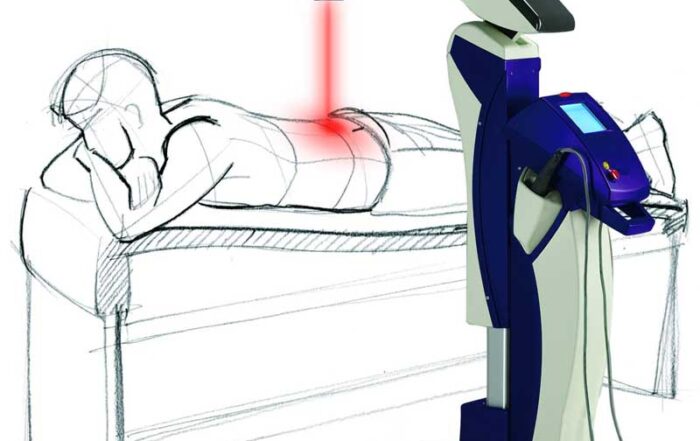
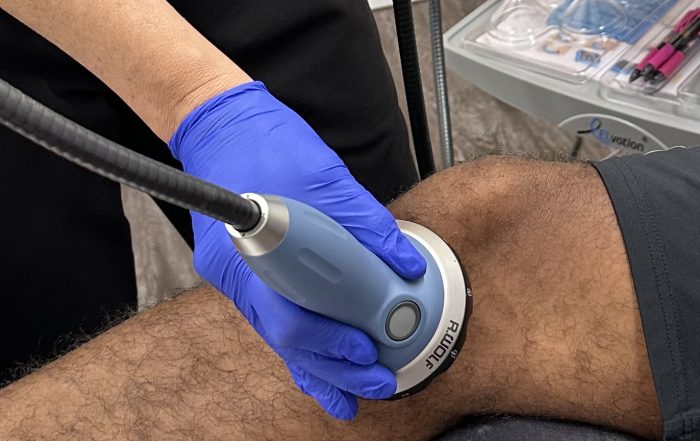
St. Petersburg Spine and Joint Center provides options to help patients avoid surgery or reduce their dependence on medication. We offer two promising alternative treatments for knee pain that have shown remarkable results: Shockwave Therapy (ESWT) and MLS Robotic Laser Therapy.
Emergency Care
Go to the emergency room if you have:
- A knee that looks deformed or bent wrong
- Severe pain that makes you unable to walk
- A popping sound with sudden swelling
- Fever along with knee pain and swelling
- A leg that feels cold or numb
Finding the Right Doctor in St. Petersburg
Many people in neighborhoods like Shore Acres, Lealman, and Gulfport deal with knee pain. Shore Acres is a family-friendly neighborhood on Old Tampa Bay where people enjoy outdoor activities. When knee pain makes it hard to walk around your neighborhood or play with your kids at the local parks, it affects your quality of life.
The good news is St. Petersburg has excellent orthopedic doctors who can help. Start by talking to your primary care doctor. They can point you in the right direction based on your specific situation.
Taking Care of Your Knees
Knee pain when you bend can make everyday life difficult. Whether you’re dealing with pain from arthritis, an injury, or overuse, help is available.
Remember these key points:
- Women get knee pain more often due to their anatomy, hormones, and muscle differences
- Pain when bending can come from many causes including arthritis, meniscus tears, and tendonitis
- Pain behind the knee might be from a Baker’s cyst or hamstring problems
- Running injuries like runner’s knee and IT band syndrome are common but treatable
- The RICE method and gentle exercises can help mild knee pain
- Acute pain usually heals in weeks, while chronic pain lasts months
- Start with your primary care doctor, but see an orthopedic specialist if pain persists
- For advanced treatment options, schedule an appointment with St. Petersburg Spine and Joint Center
Don’t ignore knee pain that lasts more than a few days. Early treatment can prevent long-term problems. At St. Petersburg Spine and Joint Center we’re here to help you get back to the activities you love – whether that’s walking along the waterfront, playing with your family, or just moving through your day without pain.
If your knee hurts when you bend it, take action. Start with rest and ice. Do gentle exercises. And if the pain doesn’t improve, reach out to us for a consultation.